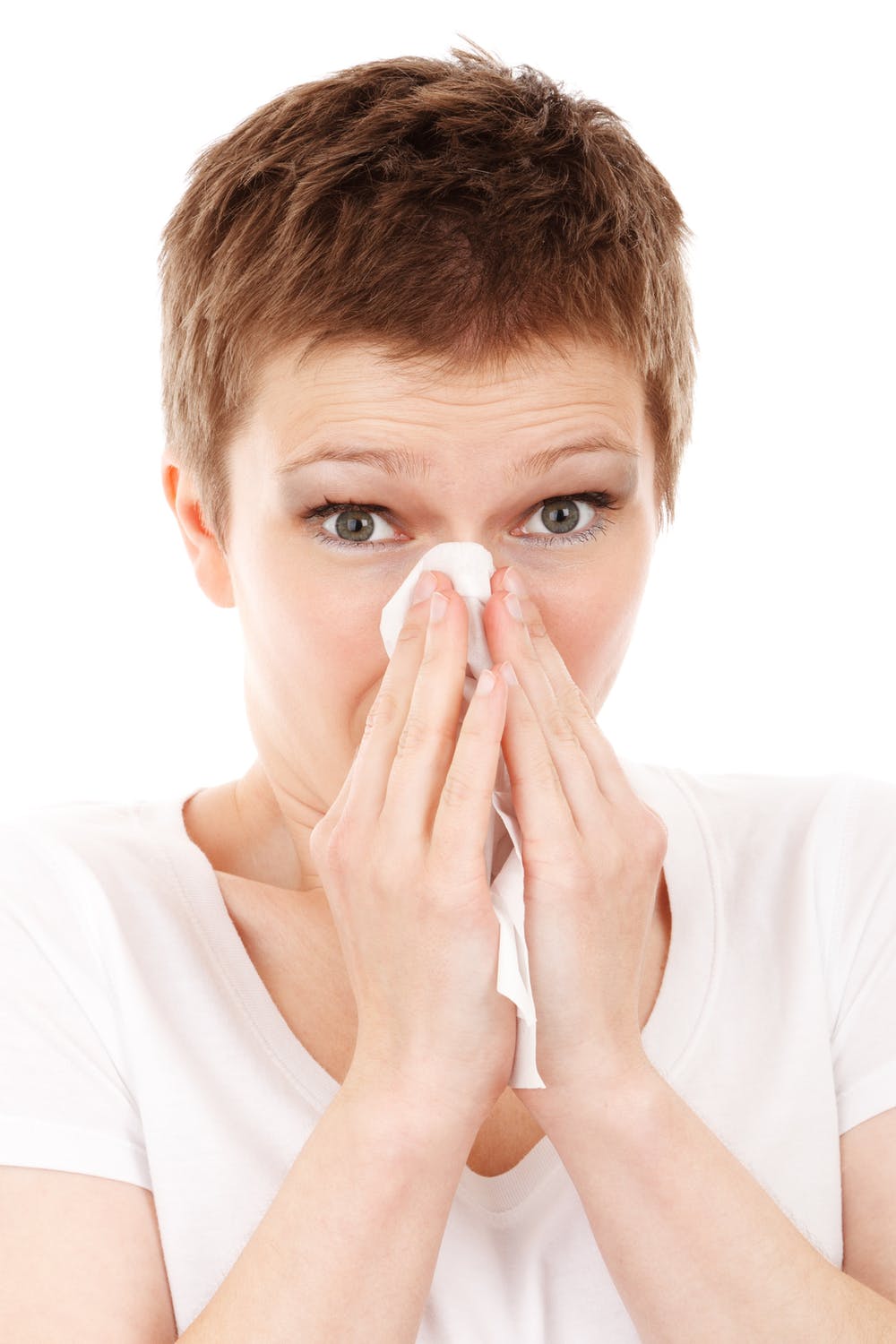
If you have never been worried by the air you breathe, then you should. Don’t think you are safe even inside your own home, The Environmental Protection Agency says that the air in homes and other buildings can be more seriously polluted than the outdoor air. Indoor air pollution can cause big health problems. People who may be exposed to indoor air pollutants for the longest periods are often those most at risk to the effects of indoor air pollution. This includes children, older adults, and people with long-term (chronic) illnesses.
Most indoor air pollution comes from sources that release gases or particles into the air. Things such as building materials and air fresheners give off pollution constantly. Other sources such as tobacco smoke and wood-burning stoves also cause indoor pollution. Some indoor air pollutants have been around for years. But they often were weakened by outdoor air seeping into the home. Today’s more energy-efficient homes don’t let as much outdoor air get inside.
INDOOR AIR HAZARDS
Ozone generators are sold as air cleaners. They make ozone gas on purpose. But high concentrations of ozone react with organic material inside and outside the body. When ozone is breathed in, it can harm the lungs. This can cause chest pain, coughing, shortness of breath, and throat irritation. It can make chronic lung diseases such as asthma worse. It can also increase the risk for lung infections.
The EPA says that research does not support claims that ozone from these devices removes dust, pollen, and chemicals from the air. No federal agency has approved these devices as air cleaners. The official number found on ozone generator packaging is only the identification of the facility that made the product. It is not an approval number.
Other common sources of indoor pollution include:
LIVE SOURCES
These include mould, mildew, cockroaches, and dust mites.
CARBON MONOXIDE
Carbon monoxide (CO) and other pollutants are released from fuel-burning stoves, heaters, and other appliances. CO is an odorless, colorless gas. It blocks the movement of oxygen in the body. Depending on how much is breathed in, CO can have many effects. It can affect coordination, make heart conditions worse, and cause extreme tiredness, headache, confusion, nausea, and dizziness. Very high levels can cause death. Older adults, babies, pregnant women, and people with heart and lung diseases are even more sensitive to high CO levels.
NITROGEN DIOXIDE
This is a product of natural gas, it isn’t odourless and colourless. It irritates the eyes, nose, and throat and causes shortness of breath in high concentrations. Long-term exposure to nitrogen dioxide can harm the lungs and may lead to chronic bronchitis. Exposure to low levels may worsen symptoms in people with asthma and increase other respiratory infections.
SULFUR DIOXIDE
This gas is a product of burning kerosene in a space heater. It is very irritating to the eyes and upper respiratory tract.
RADON
Radon is a radioactive gas that seeps from the soil and rocks under your home. Radon can enter a home through cracks in the foundation, walls, drains, and other openings. Exposure to radon in the home is the second leading cause of lung cancer. Smoking is the first. Smokers and former smokers exposed to radon may have a much higher risk of death from lung cancer.
SECOND HAND SMOKE
Cigarette smoke contains trace amounts of about 4,000 chemicals. This includes 200 known poisons such as formaldehyde and carbon monoxide, and 43 carcinogens.
These are other common household air pollutants:
Other indoor pollutants
These are other common household air pollutants:
-
Particulates. These include dust and pollen.
-
Formaldehyde. his is a common preservative and adhesive in furniture, carpets, drapes, particleboard, and plywood paneling. Breathing formaldehyde fumes can cause coughing, rashes, headaches, dizziness, and irritation of the eyes, nose, and throat.
-
Household products. These include personal care products, pesticides, household cleaners, solvents, and chemicals used for hobbies. Exposure to these products can cause dizziness, nausea, allergic reactions, cancer, and irritated eyes, skin, and lungs. Some cleaning products can produce poisonous fumes. Never mix chlorine bleach and ammonia.
-
Remodeling hazards. These include new carpeting and paint. They can give off fumes that irritate the eyes, nose, and throat.
-
Asbestos. This may be from insulation, floor tiles, spackling compounds, cement, and heating equipment. These products can be a problem indoors only if the material that contains the asbestos is disturbed and becomes airborne. This also happens when the product falls apart with age. Asbestos fibers are light, flexible, and small enough to stay in the air. So the fibers can be breathed in. This causes lung tissue scarring and lung cancer.
-
Lead. This was common in paint made before 1978.
-
Pesticides. Exposure to these can occur through normal use of sprays, strips filled with pesticides, and foggers (also called bombs). Exposure can also occur after using contaminated dusts. This is especially true for children who may be in close contact with contaminated surfaces. Symptoms can include headache, dizziness, muscle weakness, and nausea. Some pesticides may cause cancer.
Signs of air trouble
These symptoms may be a sign of indoor air hazards. They include:
-
Abnormal and noticeable odors, stale or stuffy air.
-
Clear lack of air movement.
-
Dirty or broken central heating or air conditioning.
-
Damaged flue pipes or chimneys.
-
Too much humidity. A relative humidity of 30% to 50% is generally advised for homes. Remove standing water, water-damaged materials, and wet surfaces. These can be a breeding ground for molds, mildews, bacteria, and insects.
-
Molds and mildew.
-
Health reaction after remodeling, moving, weatherizing, buying new furniture, or using household or hobby products.
-
Feeling healthier outside the home.
How safe is your air?
In general:
-
Never buy more than you need of products that might add to indoor pollution. These include cleaning solvents or pesticides.
-
Follow makers’ directions for use, storage, and disposal.
-
Provide ventilation before and after putting in products such as pressed-wood furniture, and carpets or draperies that might give off chemicals.
-
Don’t allow smoking in your home.
Bathroom
-
Keep moisture under control. Moisture leads to growth of living pollutants and condensation. Exhaust fans can help.
-
Personal care products and air fresheners can give off gases. Find items with little or no aerosol. Open your windows and use fans.
-
Have a professional fix or remove damaged asbestos floor tiles.
Bedroom
-
A cold mist humidifier or vaporizer can promote the growth of living pollutants. Use and clean the device correctly. Change the water daily.
-
Bedding should use pillows and mattress covers that block allergens. Wash regularly in water above 130° F (54° C). Vacuum under beds regularly to control dust mites.
-
Dry cleaning can leave gases on clothes. Air them out before taking them indoors. Think about washing by hand instead.
-
Air conditioners can be a home for living allergens. Clean water trays often and change filters.
Living areas
-
Paneling or pressed-wood furniture may release formaldehyde gas. Look for brands (such as those with phenol resin) that give off less formaldehyde. Or brands that seal with polyurethane.
-
Carpets can give off gases when new. And they can host living pollutants when wet. Air out new carpets before installing. Ask for adhesives that give off low amounts of gases. Clean and dry water-damaged carpets or remove them. Vacuum to control dust mites. Dust mites are an asthma trigger.
-
New draperies may have a formaldehyde-based finish. Air out before hanging.
-
Fireplaces create CO and other combustion pollutants. Open the flue during use. Have the flue and chimney inspected each year.
-
Gas or kerosene space heaters create CO and combustion pollutants. Never use them unless they are vented correctly. Open doors to the rest of the house, use an exhaust fan, and open windows slightly.
Kitchen
-
Household cleaners may give off unsafe or irritating vapors. Use nonaerosol, nontoxic products.
-
Moisture from cooking and washing leads to living pollutants. Use exhaust fans.
-
Unvented gas stoves and ranges raise the risks of CO and combustion byproducts. Clean and adjust burners, and use exhaust fans. Never use a stove or range to heat a home.
Garage
-
Engines. Engine exhaust carries CO and combustion byproducts. Never run engines in a garage.
-
Paint and solvents. Air out when using. Reseal containers well. Clean brushes outside.
-
Pesticides and fertilizers. Think about using nonchemical methods instead. Air out if using indoors.
-
Fuels. Store labeled, sealed fuel containers outside in a well-ventilated area.
Laundry or utility areas
-
Clothes dryers. Unvented dryers promote moisture, living pollutants, and dust. Vent dryers to the outside. A gas-fired dryer creates CO and combustion byproducts. Clean lint filters often and provide air for gas combustion.
-
Water. Ground moisture promotes living allergens. Look for condensation on walls, water on floors, or sewage leaks. To keep water out, install gutters and downspouts. Don’t water near foundations and grade soil away from the house. Waterproof basement walls.
-
Asbestos. Asbestos pipe wrap and furnace insulation should be checked routinely for damage or wear. Have a professional make any repairs.
-
Furnaces and water heaters. Fossil-fuel furnaces and water heaters pose risks of CO and combustion pollutants. Have them inspected yearly, clean around them often, and change filters regularly. Call your fuel supplier or fire department at once if you think there is a CO or fuel leak.
-
Radon. Test for radon. Have an experienced certified contractor from your state or the EPA correct radon levels of 4 picocuries per liter or higher.